

If you’re planning to replace your windows, choosing the right material is one of the biggest decisions you’ll make. Timber and uPVC windows are both popular choices, but they offer different benefits when it comes to cost, maintenance, energy efficiency and appearance.
For homeowners across the South West, the best option will depend on your property, budget and personal preferences. Here’s how timber vs uPVC windows compare across the factors that matter most.
Cost and long-term value
For many homeowners, cost is an important consideration. uPVC windows are generally a lower-cost option, making them practical when replacing several windows across a property.
Timber windows usually involve a higher initial investment. The material and skilled craftsmanship can increase the upfront cost, although the cost of ownership should also be considered.
A high-quality timber window, properly maintained, can provide reliable performance for many years. Looking beyond the initial price can therefore help you make a more informed decision.
How long do timber and uPVC windows last?
Both materials can provide excellent longevity when they are manufactured and installed correctly.
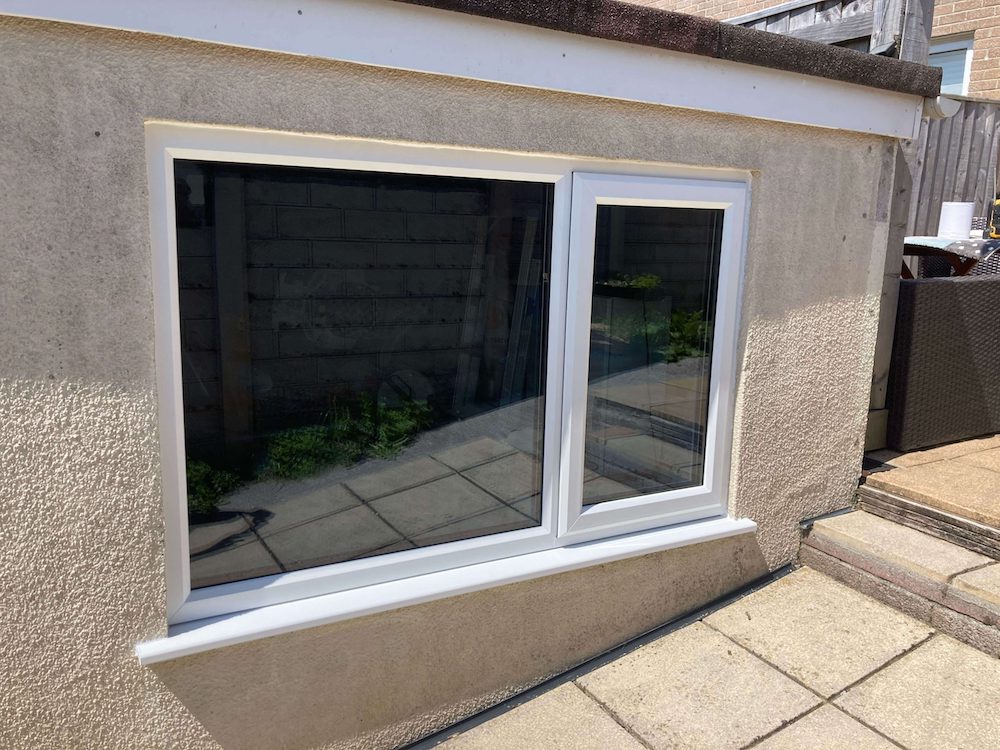
Modern uPVC windows are designed to resist problems such as rot and warping. They require minimal maintenance and can provide reliable performance for many years.
Timber windows can also offer excellent durability. With proper care, wooden frames can cope well with temperature changes and changing weather conditions. DNA’s timber windows are designed for long-term performance, while the right timber and finish can help protect against moisture and water damage.
Which needs more maintenance?
This is one of the key differences between timber and uPVC.
uPVC windows are a low-maintenance choice. Regular cleaning with a damp cloth can help keep the frames looking their best without the need for regular painting or protective treatment.
Wooden window frames need more attention. Regular maintenance and protective finishes help preserve the timber and protect it from the elements. Untreated wood is more vulnerable to moisture and deterioration, so keeping the finish in good condition is important.
For busy homeowners who want minimal upkeep, uPVC has an obvious advantage. For those who don’t mind regular maintenance, timber offers a natural finish and the opportunity to maintain the material over time.
Energy efficiency and insulation
Energy efficiency is an important consideration when choosing new windows. Both timber and uPVC can provide strong thermal performance when specified with suitable glazing.
DNA’s uPVC windows use multi-chambered profiles designed to reduce heat transfer and provide better insulation. Double glazing and triple glazing options are available, helping to reduce heat loss and potentially lower heating costs.
Timber also has naturally insulating properties. DNA’s timber windows provide excellent thermal insulation and are available with double or triple glazing.
The complete window specification matters. The frame, glazing and installation all contribute to performance, so it is worth considering the complete package rather than simply comparing materials.
Which looks right for your home?
Appearance can be just as important as performance, particularly when replacing windows on an older property.
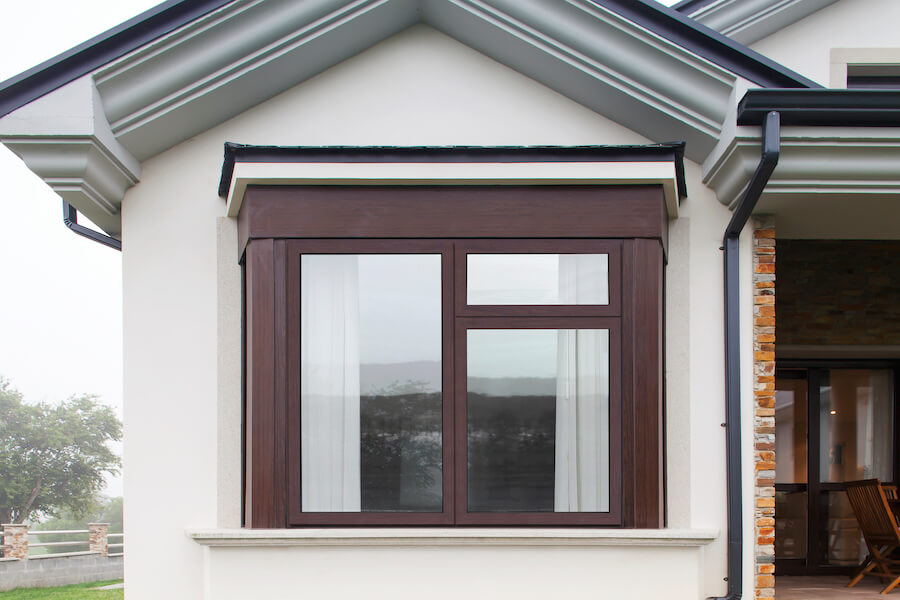
uPVC offers a variety of colours and finishes, including wood-effect options that can replicate the appearance of traditional timber. Different styles such as the casement window, sash windows and bay windows can be used across different property types.
Timber brings a natural character that can be particularly well suited to traditional homes. Timber casement windows, sash windows and bay designs can complement period architecture while retaining the appearance of traditional craftsmanship.
Your personal preferences will play a big part here. Think about your property’s architectural style, existing window fittings and the look you want to achieve.
Timber vs uPVC windows: comparing your options
| Feature |
uPVC windows |
Timber windows
|
|
Cost |
Generally a lower-cost option |
Higher initial investment |
|
Maintenance |
Low maintenance |
Requires regular care and protective finishes |
|
Energy efficiency |
Strong thermal performance with suitable glazing |
Naturally good thermal insulation |
|
Longevity |
Designed for long-term performance
|
Can last for many years with proper care |
|
Appearance |
Wide choice of colours and finishes |
Natural timber appearance and character |
|
Styles |
Casement, sash, bay and more |
Casement, sash, bay and bespoke designs |
|
Best suited to |
Contemporary and traditional homes |
Period and character properties |
Which is better, timber or uPVC windows?
There isn’t one answer for every home. uPVC is a practical choice for homeowners prioritising affordability, low maintenance and energy efficiency. Timber can be better suited to properties where natural character, traditional craftsmanship and bespoke finishes are more important. The best option depends on your property, budget and personal priorities.
Making the right choice for your home
Before choosing your new windows, consider:
- Budget: what are you comfortable investing?
- Maintenance: how much regular upkeep are you prepared to do?
- Energy efficiency: what glazing and frame specifications will give you the performance you need?
- Appearance: which material suits your property’s architectural style?
- Longevity: how long do you want the windows to perform?
- Installation: does the installer have experience with your chosen window type?
It’s also worth considering the environmental impact of your choice. Timber is a renewable material when sourced responsibly, while modern uPVC can offer long service life and requires relatively little maintenance. Product quality and longevity should form part of the wider decision.
Why choose DNA Window Solutions?
DNA Window Solutions supplies and installs both timber and uPVC windows for homeowners across Devon and Cornwall. With more than 25 years of experience in the home improvement sector, the team can provide impartial advice based on your property, budget and requirements.
The range includes uPVC casement, sash and bay windows alongside timber alternatives, with different glazing, colours, finishes and hardware available.
This means you can compare the main differences between the two materials with an experienced local team, giving you the freedom to choose the option that best suits your home rather than being pushed towards one particular product.
Talk to DNA Window Solutions
Choosing between timber and uPVC windows doesn’t have to be difficult. The right choice comes down to what suits your property, budget and lifestyle.
If you’re considering new windows anywhere across the South West, speak to DNA Window Solutions for practical advice and a free quote. The team can talk you through the available options and help you find a high-quality window solution that’s right for your home.


