


Good quality uPVC casement windows typically last between 20 and 35 years. With good installation and a little maintenance, many uPVC windows reach the top end of that range.
That long, low maintenance life is a big reason uPVC casement windows are such a popular choice with UK homeowners. Knowing how long uPVC windows last and what affects that lifespan helps you make an informed decision about new windows.
What affects the lifespan of uPVC windows
Two windows made from the same material can age very differently. These four factors have the most influence.
Material quality
Not all uPVC frames are equal. Good quality profiles hold their shape and colour for longer, while cheaper frames are more likely to warp or discolour. Our uPVC windows use multi-chambered profiles and hold PAS 24 Enhanced Security and Secured by Design status, so you’re choosing frames that have been independently tested for strength and security.
Professional installation
Even the best materials can let you down if they’re badly fitted. Poor installation can leave gaps around the window frames, leading to air leaks, water ingress and damp. Skilled installation makes sure each frame sits level, seals tightly and drains properly, so it keeps performing for a long time.
This is where experience really counts. At DNA Window Solutions, our team has 25 years of industry experience, so we know the small details that keep a window sealed and draining properly for years to come. Our accreditations with InstallSure and Assure Installer add extra peace of mind that your windows are fitted to a high standard.
Glazing type
The sealed glass unit is often the first part of a window to show its age. Over time, the seal between the panes can weaken, letting moisture in and warmth out. A well-made unit keeps its seal for longer, so the whole window stays efficient for more of its life.
Our windows achieve an A+ Energy Rating with double glazing, helped by tight-fitting seals that stop draughts and keep warmth inside. If you’d like even more insulation, perhaps for a north-facing room or a home in an exposed area, triple glazing is available too.
Weather conditions
Where you live and the environmental conditions your home faces also affect how long your windows last. Years of strong sunlight can slowly yellow white frames and make cheaper uPVC more brittle, so lower quality windows often look tired long before their time. Homes near the coast face salt spray and wind-driven rain, which wear on seals, hinges and locks and can mean parts need replacing sooner. With so many homes across Devon and Cornwall exposed to the elements, good quality frames and regular care help your windows stand up to the local weather for longer.
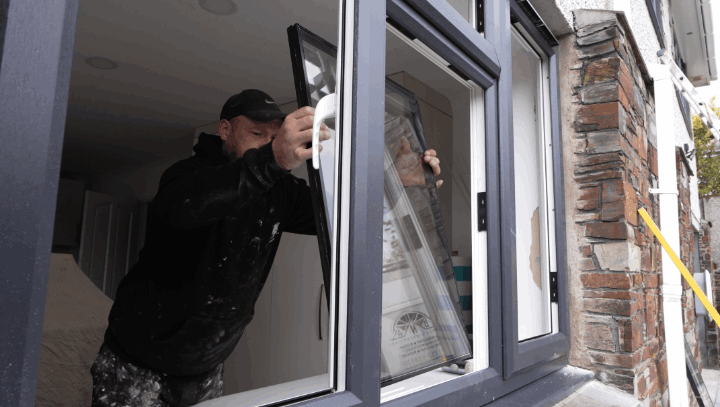
Signs your windows are reaching the end of their life
Older windows rarely fail overnight. Small problems creep in over time, so spotting the early signs gives you time to plan.
- Condensation between the panes of glass: this usually means the seal on the glass unit has failed.
- Draughts and air leaks: often caused by worn seals or a sash that no longer closes tightly.
- Stiff or loose moving parts: handles, hinges and locks that are hard to use can affect everyday performance and security.
- Water leaks: damp patches around the frame can point to failed seals or blocked drainage slots.
- Discoloured or warped frames: yellowing or bowing is a common sign of an older or lower quality frame.
- Rising energy bills: if rooms feel colder than they used to, your windows may be losing heat.
Not every issue means you need a full window replacement. A misted glass unit can often be swapped without replacing the whole window. Our team carries out glazing repairs too.
Maintenance tips to help your windows last longer
uPVC is low maintenance, but a little regular maintenance makes a real difference. These simple habits take minutes and help keep your windows working smoothly for years.
- Clean the frames gently: the best way is with warm soapy water and a soft cloth. Abrasive cleaners and scouring pads can scratch the surface, so it’s best to avoid them.
- Keep the glass panes clear: a regular wipe keeps the view bright and helps you spot any misting early.
- Clear the drainage channels: the small holes at the bottom of the frame let rainwater escape, so keep them free of dirt and leaves.
- Look after the moving parts: a light silicone-based lubricant on hinges and locks once a year stops them stiffening.
- Check the seals: look for gaps or perished rubber, especially after a long, wet winter.
- Close windows gently: slamming them puts strain on the hinges and the sealed glass over time.
A few minutes of care each year gives your windows the best chance of reaching the top end of their 20 to 35 year lifespan.
Are uPVC windows a good long-term investment?
Yes. Quality uPVC windows offer a good return over their lifespan. Unlike wooden frames, they won’t rot or need repainting. They also help cut energy bills and need little more than regular cleaning to stay looking good.
We also supply timber windows and aluminium windows, each with its own appeal. Timber brings natural character, while aluminium offers slim, modern frames. For many homes, though, modern uPVC windows strike the best balance of energy efficiency, easy upkeep and value. Our uPVC windows also come in woodgrain finishes, so you can enjoy timber effect windows without the upkeep.
Thinking about new windows?
At DNA Window Solutions, we supply and install uPVC casement windows across Plymouth, Devon and Cornwall. Every window is tailored to your home and fitted with care, so your windows are built to last.
If you’re asking “how long do uPVC windows last?” about your own home, our expert team will take a look and give you a straight answer on what they need. Sometimes a simple repair is all it takes. If new windows are the right move, we’ll talk you through the styles, colours and glazing options that suit your home.
When you’re ready, get in touch to request a quote:
- Enquire online: contact us
- Call: 01752 938120
- Email: sales@dnawindowsolutions.co.uk
Frequently Asked Questions
What does uPVC stand for?
uPVC stands for unplasticised polyvinyl chloride. It’s a rigid, hard-wearing material that won’t rot or need painting, which is a big part of why uPVC windows last so long.
How often should I check my uPVC windows?
A quick check once or twice a year is usually enough. Look over the seals, test the handles and locks and clear the drainage channels, ideally before and after winter.


