


Choosing a new front door involves more than finding a style you like. You also need to consider security, thermal efficiency, maintenance and cost. Composite and uPVC doors are both popular choices, but they offer different benefits depending on your property and priorities.
At DNA Window Solutions, we have 25 years of industry experience and supply and install composite and uPVC doors across Devon and Cornwall. Our team can help you compare the available styles and specifications before choosing a door for your home.
In this guide, we’ll compare the two door types and explain why homeowners consider each option.
How are composite doors made?
Composite doors combine different materials to provide strength, insulation and weather resistance. Their construction varies between manufacturers. Some use a solid timber core with a durable outer skin, while others feature a foam-filled core.
This combination gives homeowners a choice of designs, with the appearance of traditional timber without the same maintenance requirements. We supply composite doors from leading manufacturers, including Solidor, Endurance and DoorCo, with different construction methods and composite door styles.
How are uPVC doors made?
uPVC doors are made from unplasticised polyvinyl chloride, a durable material that requires little maintenance. Their frames typically feature multiple internal chambers to limit heat transfer, while reinforcement can provide additional strength.
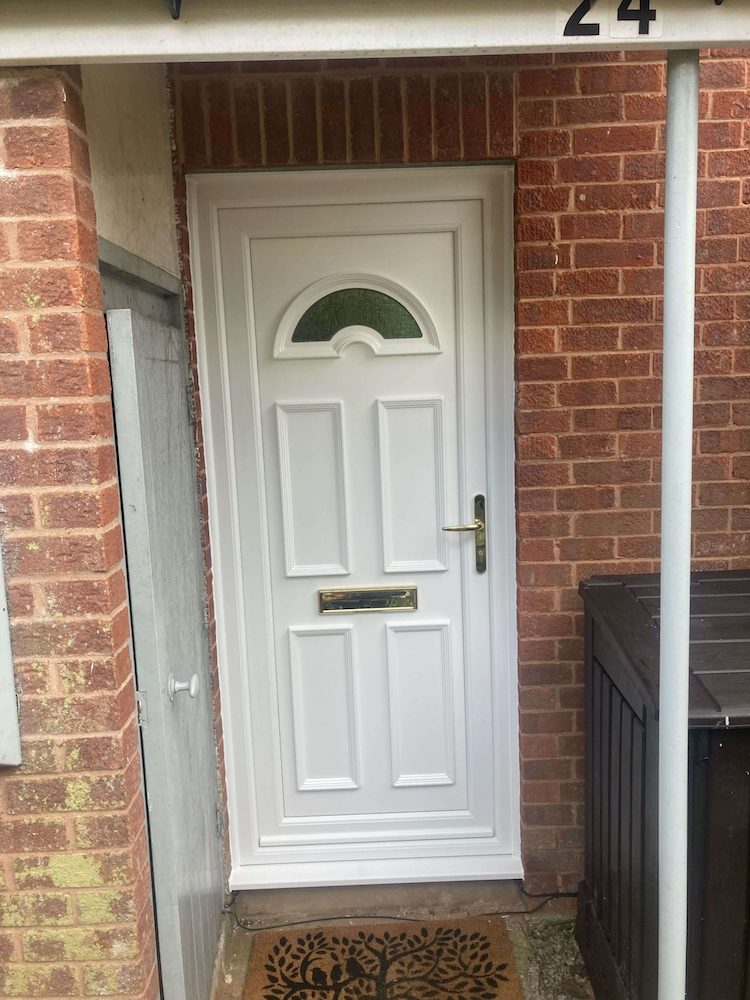
Available in various styles, colours and finishes, our uPVC entrance doors offer a practical and affordable option for homeowners replacing an existing entrance. Their straightforward upkeep and competitive upfront price make them popular in modern homes.
Which door offers better security?
Both composite and uPVC doors can be fitted with multi-point locking systems and other security features to help protect your home.
Our composite doors can offer a particularly solid construction, depending on the core and specification. For example, our Endurance range features a 48mm solid timber core, while our Solidor range also uses a solid timber core. Our modern uPVC doors provide a reliable alternative, with security depending on the frame, locking system and overall specification.
The quality of the door, its hardware and professional installation all matter. Comparing individual products can help you choose suitable security features and enjoy greater peace of mind.
Which door is more energy efficient?
A well-insulated front door can help reduce heat loss, support energy savings and make your home more comfortable. Both composite and uPVC doors offer energy-efficient designs, although thermal performance depends on the materials, glazing and overall specification.
- Composite doors: Their layered construction and insulated cores help limit heat transfer. Some designs also offer excellent thermal insulation.
- uPVC doors: Multi-chambered frames help reduce heat transfer, while suitable glazing and effective seals contribute to insulation.
Rather than assuming one material always offers superior energy efficiency, compare individual door specifications. A well-insulated door can help maintain a comfortable indoor environment, support lower energy bills and regulate the temperature of your living space.
Durability and maintenance
Both composite and uPVC doors are designed to withstand everyday use and changing weather conditions. Their durability depends on the quality of the materials, manufacturing process and installation.
Both options are low maintenance. You can usually keep them clean with warm soapy water and a soft, damp cloth. An occasional wipe removes everyday dirt, while neither typically requires the regular painting or staining associated with traditional wooden doors.
For busy homeowners, both offer a practical alternative to timber, with minimal ongoing maintenance costs.
Styles and appearance
The appearance of your new door can make a noticeable difference to your home’s kerb appeal. Composite doors are available in a wide range of designs and finishes, including woodgrain options that recreate the appearance of traditional timber. Different colours, decorative glass panels and hardware allow you to create an entrance that suits your property.
uPVC doors also offer plenty of choice, with different colours, finishes and glazing options for traditional and modern homes. They provide a straightforward way to update your entrance without the higher upfront investment associated with many composite designs.
Explore examples of our available door designs through the DNA Window Solutions website.
How much do composite and uPVC doors cost?
uPVC doors are generally the more affordable option, making them worth considering if you are working to a tighter budget.
Composite doors usually have a higher upfront cost because of their construction and materials. However, their durable construction and low-maintenance finishes can make them a worthwhile long-term investment.
The overall price also depends on the door’s size, glazing, hardware and chosen finish. Comparing quotes for both options helps you assess value rather than focusing solely on the initial price.

Which door is right for your home?
The better choice depends on your budget, preferred appearance and requirements. A composite door is worth considering if you want a substantial entrance with a wide range of styles and finishes. A uPVC door may be more suitable if affordability and minimal maintenance are your main priorities.
Both can provide good thermal performance and security when properly specified and professionally installed. Whether you’re renovating an older property or choosing an entrance for a new build, we’ll help you find the right door for your home.
Get in touch with DNA Window Solutions
Whether you are considering a composite or uPVC front door, DNA Window Solutions can help you find an option that suits your home and budget. We supply and install both door types across Devon and Cornwall.
Contact our team on 01752 938120 or use our online contact form to discuss your plans and arrange a quote.