

Throughout the 21st century, uPVC has dominated the window market here in the South West, but it’s now facing some real competition from aluminium frames.
That’s because aluminium has really developed in one vital aspect that homeowners are prioritising more and more… energy efficiency. It’s widely acknowledged nowadays that windows play a vital role in regulating the temperature of your home whilst cutting energy bills, and aluminium has made real strides in this area, which has contributed to its rise in popularity.
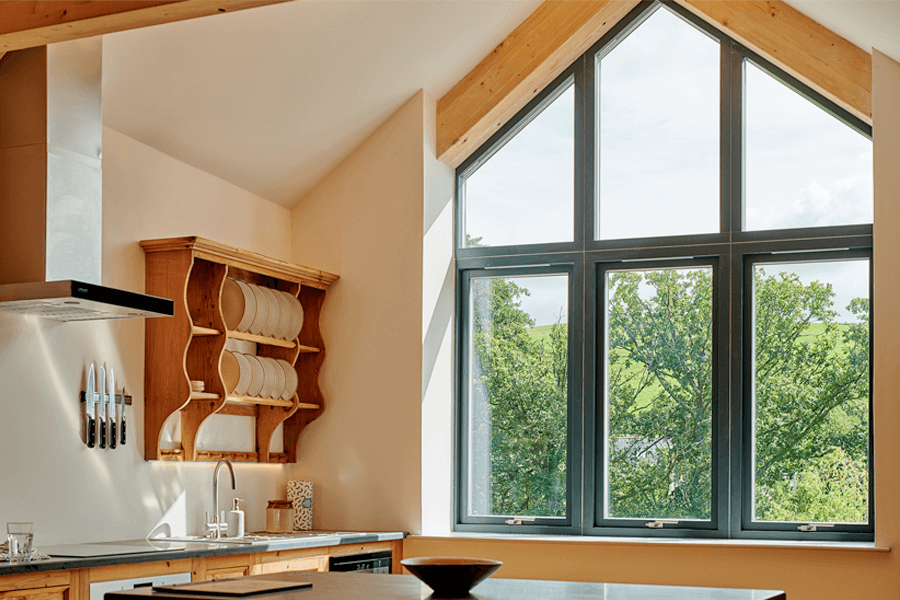
Combine this with arguably the biggest selling point of aluminium windows, the slim frames which enable a greater intake of natural light, and you’re onto a winner.
In this article, we’ll explore several aluminium windows pros and cons in more detail, with the aim of deciding whether they are right for your home, or if you’re better off looking elsewhere.
The Bright Side: Why Aluminium is Surging in Popularity
Aluminium windows offer a load of advantages that make it easy to see why they’re the UK’s fastest-growing window frame material. Spoiler alert, if you like natural light intake and a clean look, we’re confident that you’ll love them.
Slim Sightlines and Maximised Glass
Because aluminium is inherently strong, the window frame can be much thinner than uPVC or traditional wood windows while safely supporting heavy glass units. These ultra-slim profiles allow for larger glass panels, flooding your living spaces with daylight and offering uninterrupted views of the beautiful South West landscape.
Durability Built to Last
Unlike older wooden windows, which can require a lot of sanding and painting to prevent rot, high-quality aluminium profiles require virtually no maintenance. They are finished with a durable powder coating that will not crack, peel, or fade over a long time. For busy homeowners, a quick wipe down with soapy water a few times a year is all it takes to keep them looking pristine.
Overcoming Thermal Conductivity
Historically, metal frames were prone to condensation and heat loss. Modern engineering has solved this issue by incorporating polyamide thermal breaks inside the aluminium frames. These structural barriers stop heat from escaping, working alongside double or triple glazing to lower your energy bills and keep your home warm. Today’s aluminium windows are almost as thermally efficient as uPVC and timber.
Factors to Keep in Mind
To get a complete look at the aluminium windows pros and cons, it is vital to balance the visual appeal against the practical realities of cost and insulation.
The Upfront Financial Investment
Aluminium is a premium material that requires advanced manufacturing techniques. As a result, the initial cost is typically higher than standard uPVC windows. However, because aluminium frames routinely last for 35 to 45 years without needing replacement, they often prove to be a highly cost-effective choice over their entire lifespan. UPVC windows will generally need replacing after 20-30 years so this needs to be considered when weighing up costs. Both offer you energy savings in the long run by reducing heat transfer, which we hope is good peace of mind.
Woodgrain Finishes Typically Not Available
If you have your heart set on a woodgrain finish, you’re better off choosing uPVC or timber to achieve your desired aesthetic appeal. With timber, the grains and intricate detailing of wood is of course natural, and it can actually be replicated more easily on uPVC frames than aluminium. Therefore, if you live in a rural cottage, are surrounded by trees and simply want your home to blend in, those two are likely a better choice.
Coastal and Country Living: The South West Fit
Properties in Plymouth especially, but also other coastal areas of Devon and Cornwall face demanding weather conditions, from salt-heavy sea air to driving rain.
Choosing the right window types depends heavily on your specific property style:
- Coastal and Exposed Locations: Marine-grade powder coatings protect aluminium from salt-spray corrosion, making them highly resilient along our beautiful coastline.
- Modern Renovations: If you want a sleek, modern look for a rear extension or a new build, the crisp angles of aluminium are ideal.
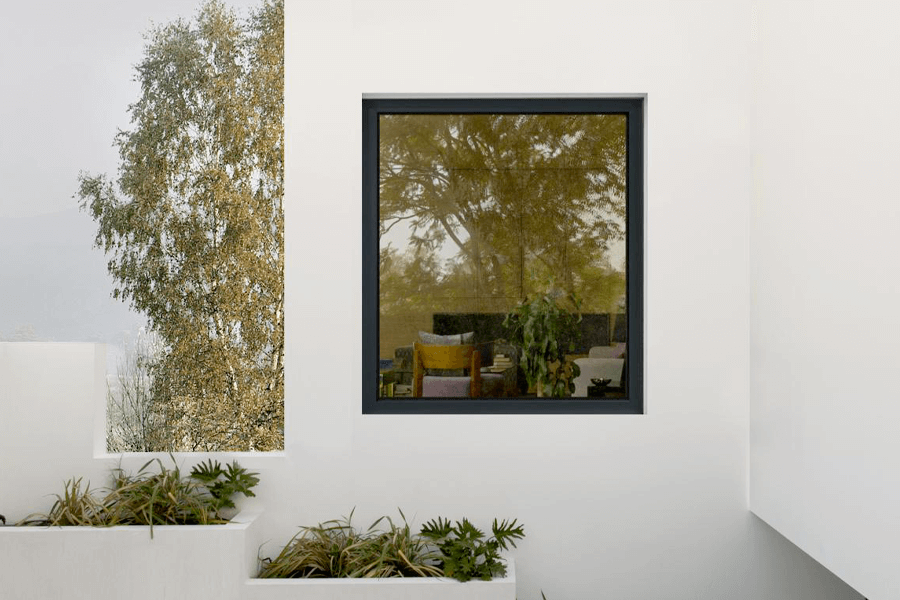
- Period Properties: For traditional stone cottages or Victorian terraces, classic uPVC sash windows or authentic timber might still be the best choice to preserve historical charm, though slimline anthracite grey aluminium can offer a striking contemporary contrast.
The Final Verdict: Designing a Home You Love
Ultimately, weighing up the design options comes down to balancing your immediate budget against your long-term design goals. If your priority is achieving an ultra-modern aesthetic with minimal maintenance and frames that last for decades, aluminium is an outstanding option. If upfront affordability is your main driver, modern uPVC options still provide exceptional thermal efficiency and security at a lower entry point.
Start Your Project with DNA Window Solutions
We are dedicated to guiding you through your home improvement journey with honest advice and personalised support, whether you want to explore premium aluminium windows or discuss casement window designs. Adam, David, and the entire team are ready to help.
Get in touch with us today to discuss your project:
- Call Our Team: 01752 938120
- Email Us: sales@dnawindowsolutions.co.uk
- Connect Online: Fill out our Online Contact Form to request a transparent, tailored consultation.
Frequently Asked Questions
Are modern aluminium windows thermally efficient?
Yes. Whilst they typically weren’t viewed as thermally efficient, modern aluminium frames include a thermal break which prevents heat transfer. As a result, they now deliver impressive energy efficiency that rivals uPVC and timber, making them an ideal choice to lower your heating bills over time.
How do aluminium frames perform in coastal environments?
Coated with a durable material, modern profiles offer excellent resistance against harsh weather conditions and salty air, making them a strong choice for coastal home protection.
How much maintenance do aluminium windows require?
They are exceptionally low maintenance. Simple regular cleaning using mild soapy water a few times a year keeps your frames looking pristine throughout their long lifespan.
How do aluminium windows compare to other window materials aesthetically?
Slimmer frames accommodate large glass areas and clean lines, maximising natural light while providing sleek modern appeal. The added natural light intake can transform the look of your home’s interior too.